Reflections From the Road
These essays are also available in video form on my YouTube channel.
The Two Kinds of Freedom
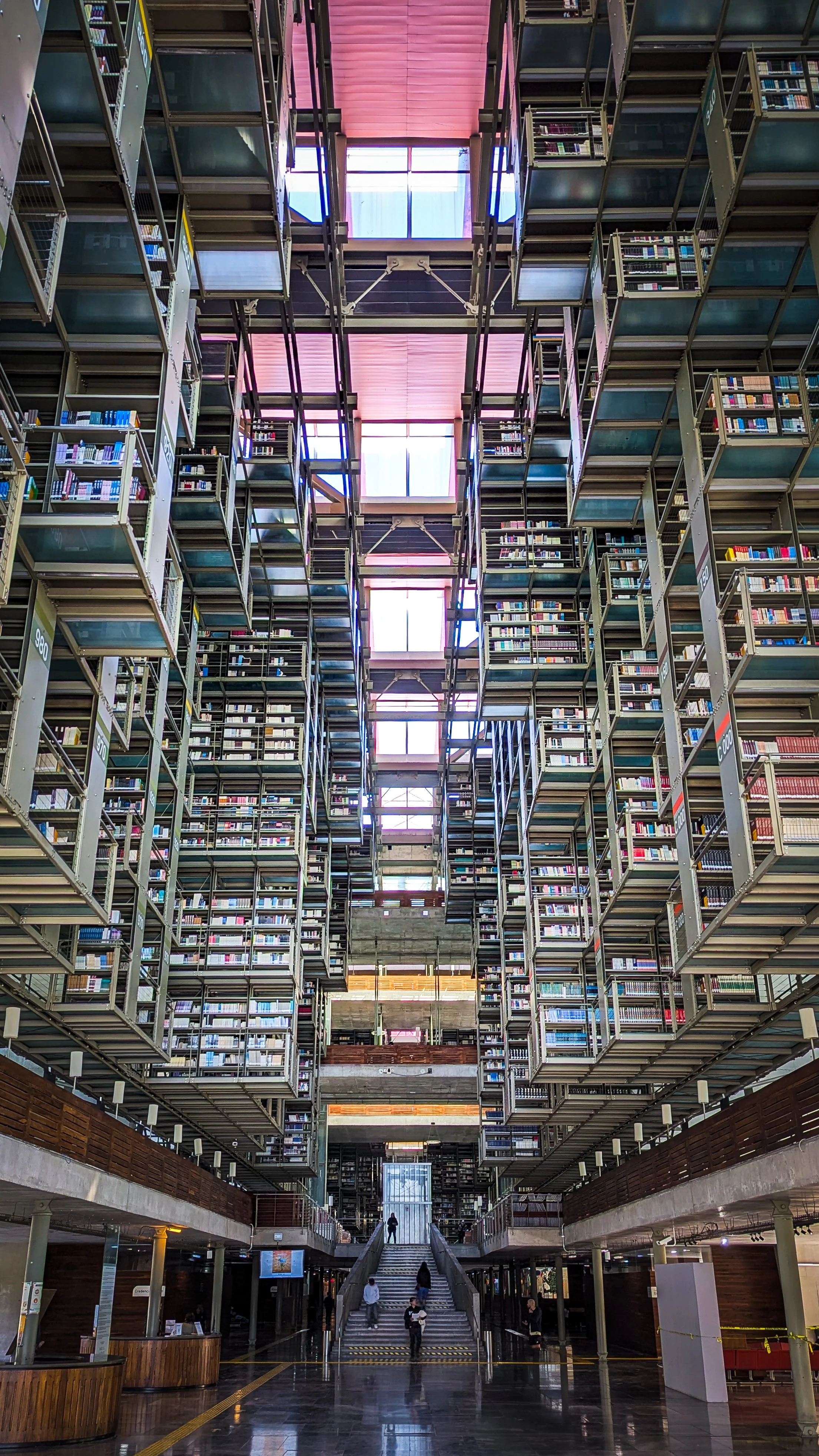
What good is a library if you can’t read? The doors might be unlocked. No guard stops you from walking in. Every book is yours to open. On paper, you’re completely free.
But without the ability to read, that freedom is mostly imaginary. No one is preventing you from learning. You simply don’t have the means to use what’s in front of you. The permission is there. The possibility isn’t.

The Fragility of Privilege
Rights are not a gift from government. They are a claim built into what it means to be human. You can suspend them by force, fail to honor them in law, or ignore them in practice. But you cannot erase their source without denying the person who bears them. That is the heart of the matter, and one of the oldest arguments in political thought.

When Critical Thought Turns on You
Critical thought is almost always imagined as an outward act, a way of evaluating someone else’s claims, spotting the bias in their reasoning, exposing the flaws in their evidence. What’s almost never discussed is its inward form: using the same discipline to interrogate the architecture of our own beliefs.