Reflections From the Road
These essays are also available in video form on my YouTube channel.
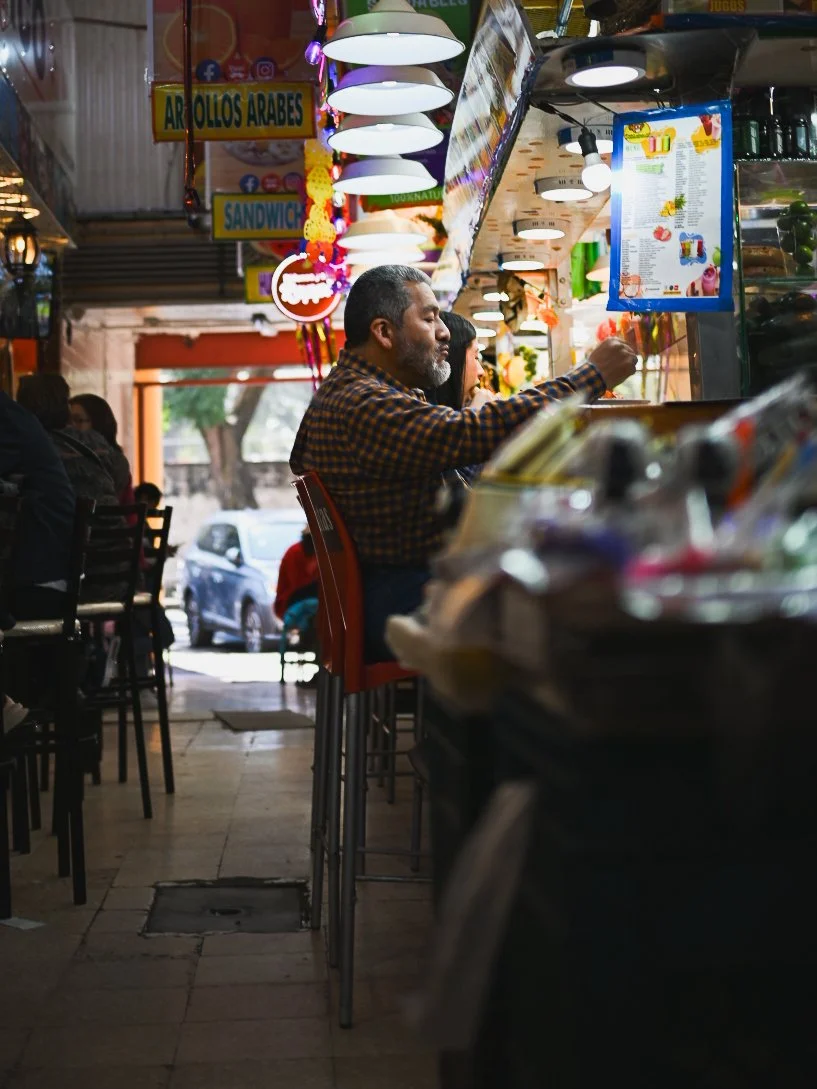
Freedom From Fear, Not Freedom From Others
Fear narrows our world long before anyone else does. It shapes what we notice, how we interpret unfamiliar faces, and the conclusions we reach about the people around us. It can make a familiar street feel uncertain. It can turn a passing stranger into a question. And once fear takes hold, it becomes easy to believe that the threat is everywhere, even when nothing in our own experience supports that belief.
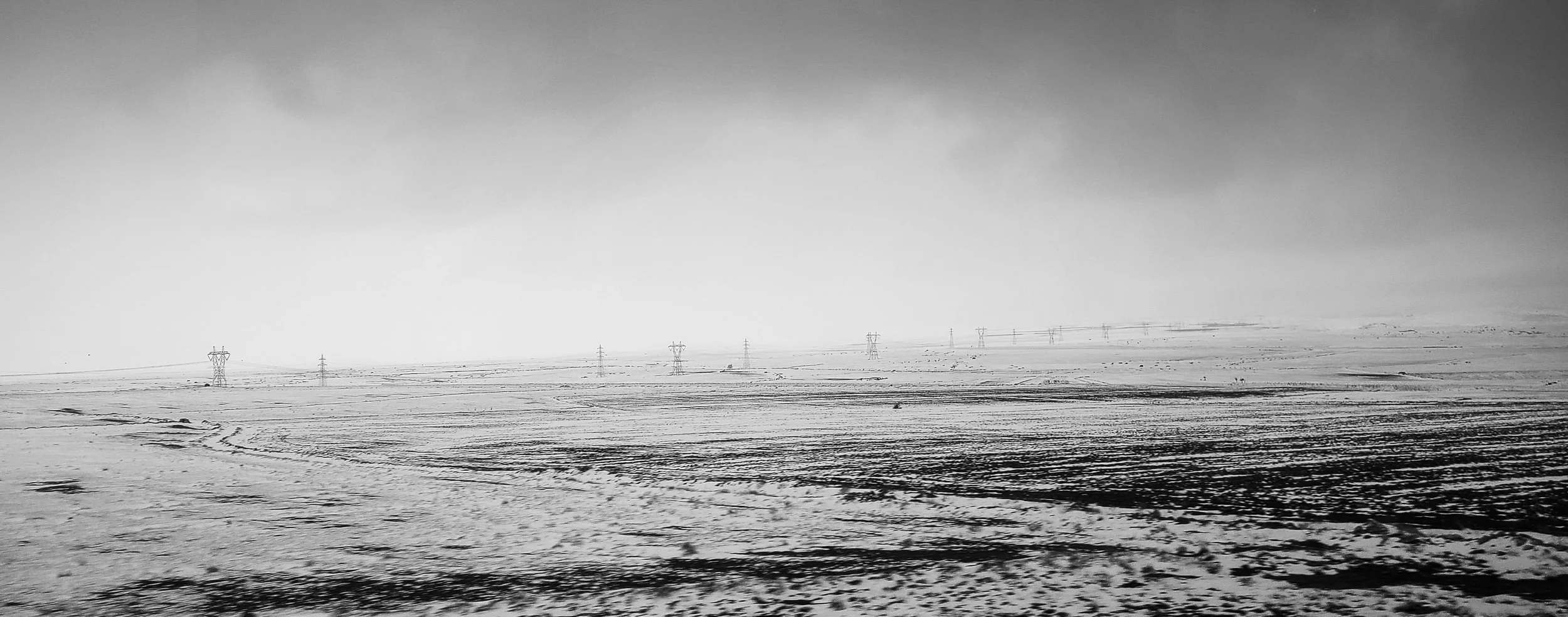
When Power Turns to Discretion: Lessons from the Boat Strikes
In early September, the United States government began using military force against small boats in the Caribbean and the Eastern Pacific. The descriptions of the people on those boats shifted from day to day. Sometimes they were called traffickers. Sometimes cartel members. Sometimes enemy combatants. What never changed was the fact that many were killed without arrest, without evidence presented to the public, and without any form of due process.
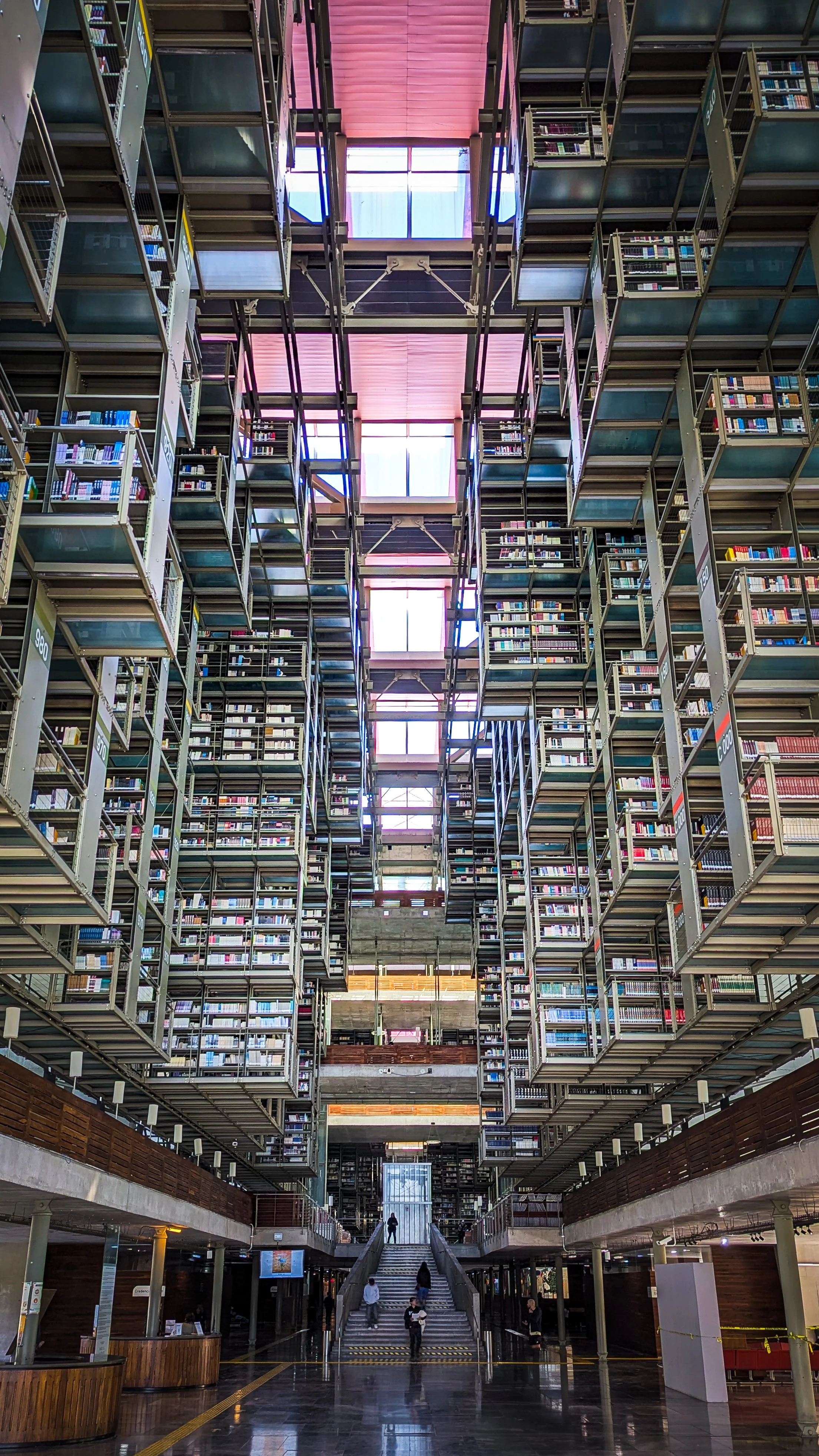
The Two Kinds of Freedom
What good is a library if you can’t read? The doors might be unlocked. No guard stops you from walking in. Every book is yours to open. On paper, you’re completely free.
But without the ability to read, that freedom is mostly imaginary. No one is preventing you from learning. You simply don’t have the means to use what’s in front of you. The permission is there. The possibility isn’t.
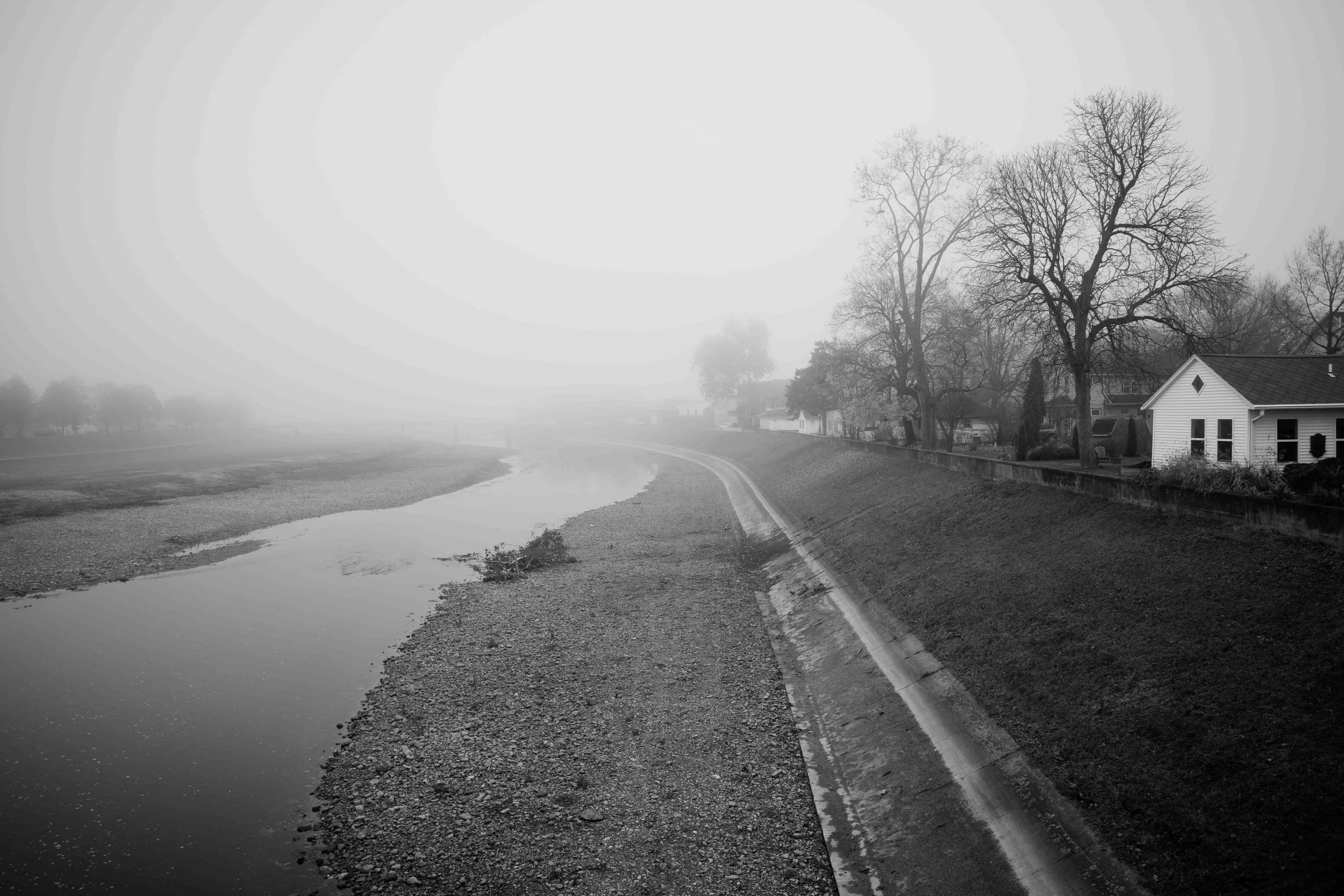
The Failure of Imagination
It’s strange how often a conversation about fairness ends with someone saying, “What are you, a communist?” as if that closes the subject. The irony is that neither label in that old debate, capitalism or communism, captures the full reality. What most Americans call “communism” was never the stateless, classless society described in theory, but rather the state-run systems that claimed its name. Yet that misunderstanding still defines how we frame every discussion about what is possible. We have been taught to think in opposites instead of possibilities.

You Were Never Meant to Be the Customer
In a system built on consumption, identity is no longer grounded in what we create, but in what we buy. The individual is not viewed as a generative force, but as a vessel for demand; a predictable recipient of ads, trends, and targeted offers. Even labor, once a mark of contribution, has been recast as a cost to be minimized. In this economy, you are not a producer. You are the market.
What If We Didn’t Need to Escape
We’ve been sold a shallow version of the good life.
It looks like a beach chair. A plane ticket. A glossy brochure offering two weeks of escape from a routine that quietly wears us down. The structure remains untouched, but for a brief moment, we are allowed to step outside it, if we’ve earned it, if we’ve saved enough, if we promise to return.