When Power Turns to Discretion: Lessons from the Boat Strikes
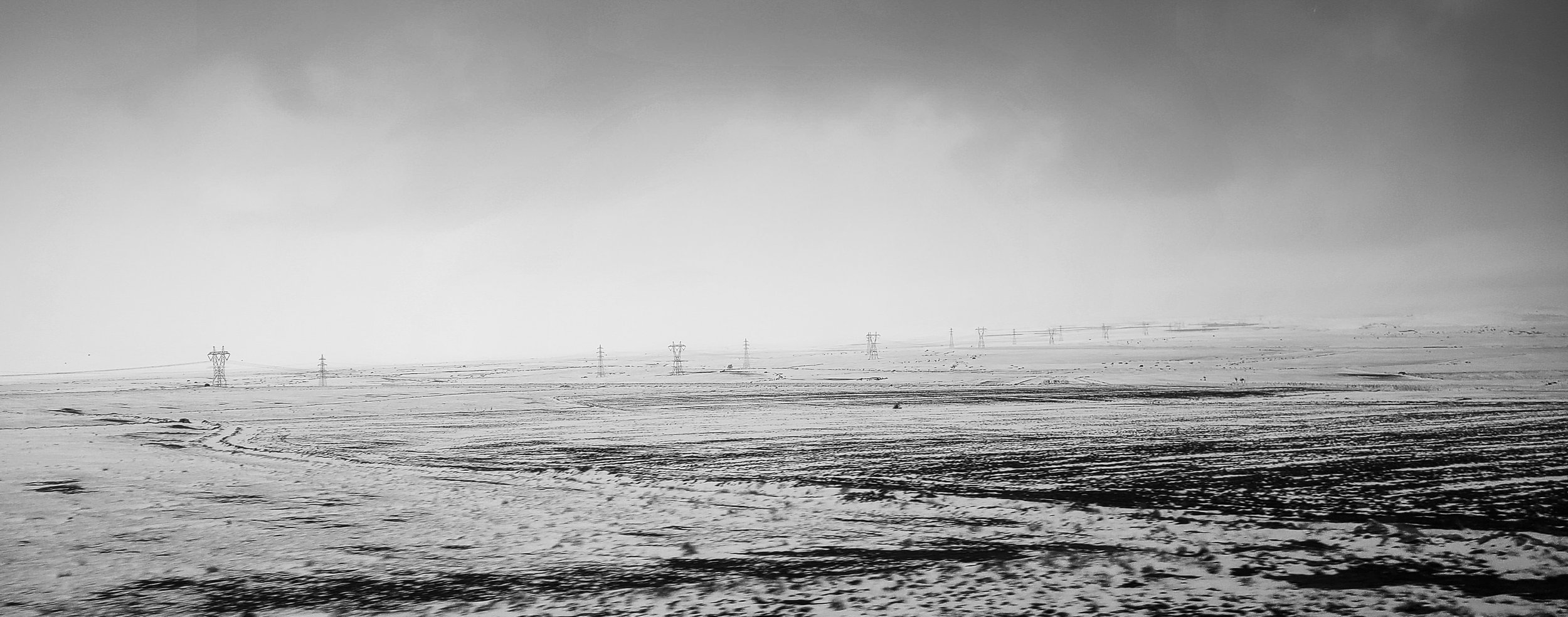
Image taken in central Turkey, copyright Brian Mahaney 2025
In early September, the United States government began using military force against small boats in the Caribbean and the Eastern Pacific. The descriptions of the people on those boats shifted from day to day. Sometimes they were called traffickers. Sometimes cartel members. Sometimes enemy combatants. What never changed was the fact that many were killed without arrest, without evidence presented to the public, and without any form of due process. That detail matters more than the labels. It points to a deeper problem inside the way we understand freedom, and how quickly the idea of universal protection can collapse when the government decides certain people are no longer entitled to it.
Most Americans were raised with a narrow definition of freedom. We learned to equate it with the absence of interference, the belief that no one should stop you or block your choices. That remains important, but it is only one piece of a larger structure. Freedom also depends on the systems that allow you to use your rights. It includes due process, education, healthcare, and the basic stability that lets a person act with intention. It depends on not being trapped in economic or institutional arrangements that make your survival contingent on obedience. And it depends on living in an environment where the rules do not shift without warning, where power is restrained by something larger than its own confidence.
When these layers reinforce each other, people experience something close to genuine autonomy. But when one layer weakens, the others begin to strain under the pressure. That is what we are watching now. A government that kills based on internal classifications is not simply acting against a few individuals. It is revealing how it now understands freedom. And once you see that, the implications become clear.
Freedom has several layers, and all of them matter. There is the layer most people know, the freedom from interference. There is the layer that gives you the ability to use your rights through due process and stable systems. There is the layer that protects you from forced dependency, where your safety and survival are not tied to pleasing those in power. And there is the layer that keeps you from living in a state of fear, always wondering whether the rules will shift without warning. These layers depend on each other. When one weakens, the others begin to fail. What happened on the water shows exactly how that process works.
When the government kills without accusation, without evidence, and without any attempt at capture or trial, it is saying something simple and damaging: your rights exist only when we choose to honor them. Once rights become discretionary, the systems that make freedom usable start to feel optional. The government learns that it can skip the parts that are inconvenient. And when those systems weaken, people become more dependent on the very power that can harm them.
This is the part most people miss. Discretion creates dependency. If your safety depends on the government deciding you belong to the protected category, then you are no longer free in any meaningful way. You are simply fortunate. And that fortune can change overnight. Discretion means your protections are fragile. It means your status can be downgraded with a single label. It means the government does not need to prove its claims before acting on them. It means your safety is tied to staying on the right side of the people who hold power. That is forced dependency, even if it does not look like it at first.
This is why the events at sea matter. Not because any of us expect to be on a boat in the Caribbean, but because the logic used there is the same logic that weakens freedom at home. Once the state normalizes killing based on suspicion, the distinction between citizen and suspect becomes easier to manipulate. A society cannot remain free under those conditions. Not when the government can decide who deserves the law and who does not. Not when due process becomes a preference instead of a requirement. Not when the public is expected to accept accusations without proof.
The people on those boats are not the point. They are the example that reveals the principle. A government willing to kill without evidence is a government that has already changed its definition of freedom. And once that definition changes, it affects everyone living under it. No society stays free when rights depend on staying inside the right category. And no citizen should be comfortable with a freedom held together by luck instead of law.