When Power Turns to Discretion: Lessons from the Boat Strikes
In early September, the United States government began using military force against small boats in the Caribbean and the Eastern Pacific. The descriptions of the people on those boats shifted from day to day. Sometimes they were called traffickers. Sometimes cartel members. Sometimes enemy combatants. What never changed was the fact that many were killed without arrest, without evidence presented to the public, and without any form of due process.

The Two Kinds of Freedom
What good is a library if you can’t read? The doors might be unlocked. No guard stops you from walking in. Every book is yours to open. On paper, you’re completely free.
But without the ability to read, that freedom is mostly imaginary. No one is preventing you from learning. You simply don’t have the means to use what’s in front of you. The permission is there. The possibility isn’t.
The Failure of Imagination
It’s strange how often a conversation about fairness ends with someone saying, “What are you, a communist?” as if that closes the subject. The irony is that neither label in that old debate, capitalism or communism, captures the full reality. What most Americans call “communism” was never the stateless, classless society described in theory, but rather the state-run systems that claimed its name. Yet that misunderstanding still defines how we frame every discussion about what is possible. We have been taught to think in opposites instead of possibilities.

Intertwined
Whether you like it or not, you are part of a society. You walk on roads you did not build, protected by laws you did not write, and safeguarded by people you may never meet. The air you breathe is cleaner because others agreed to rules you did not set. The food you eat reaches you through systems of inspection, transport, and labor that would collapse without collective effort. The myth of absolute self-reliance is a comforting story told by those who have forgotten how deeply dependent we all are.
The Walls We Build Around Our Minds
We like to think our opinions are earned. Hard-won conclusions drawn from experience and reason. But in truth, most of what we call independent thought is shaped by repetition. The walls of our echo chambers are not built by force. They are built by comfort.
The Cost of Caring About Everything
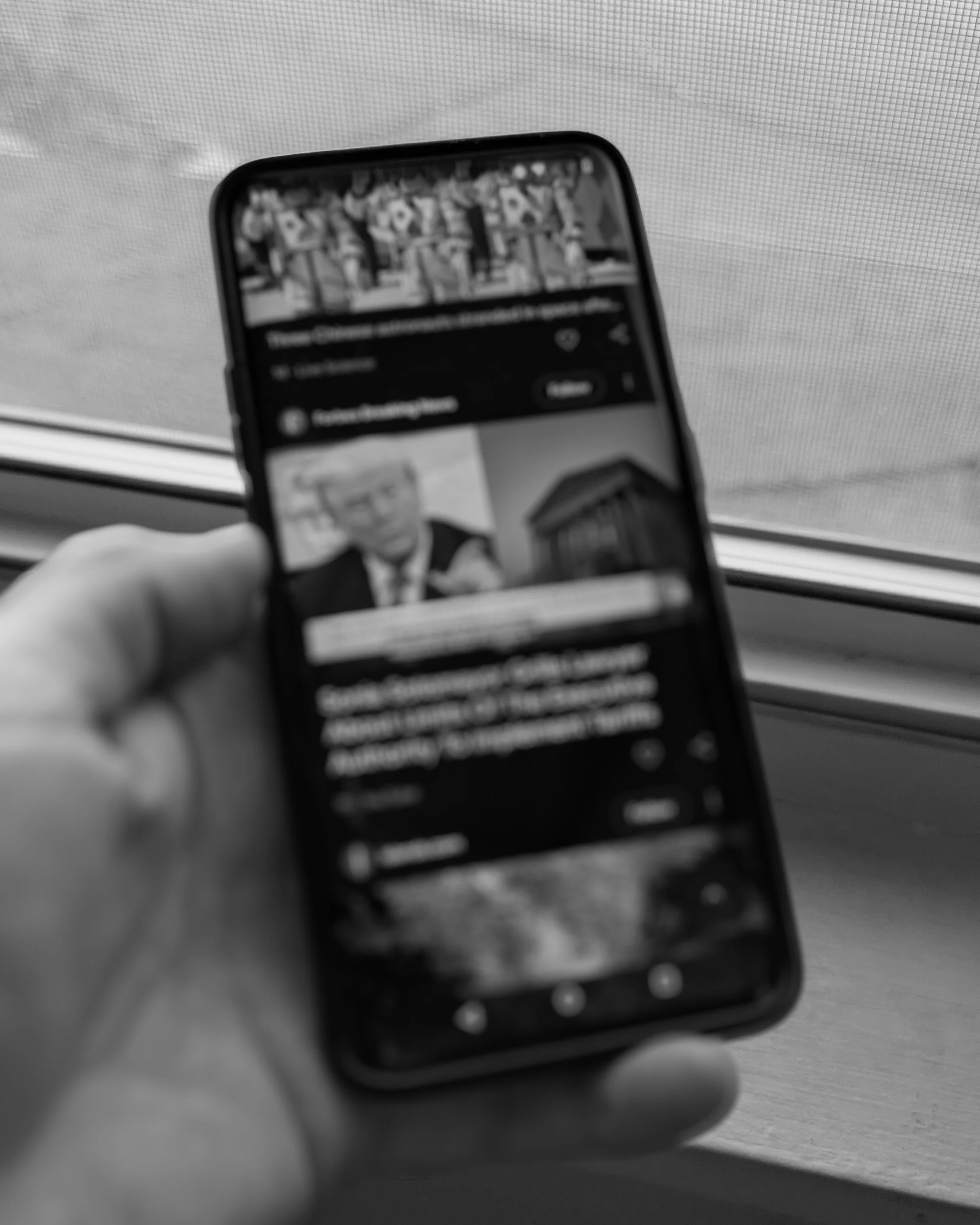
Research from the American Psychological Association shows that many Americans now list politics and media consumption among their main sources of anxiety. A meta-analysis of news exposure found that even short periods of contact with negative or conflict-driven content, sometimes as little as fifteen minutes, can raise heart rate and stress hormones. The effects linger as worry, fatigue, or restlessness. In short, the modern news cycle has become not only a civic routine but a strain on mental health.

The Borders Within Us
It’s hard to understand the coldness I see in so many of my fellow citizens. People speak of deportation as though it were housekeeping, as if families could simply be swept away without consequence. They call them lawbreakers. They use the word illegal like a period at the end of empathy. Yet many of these people have lived here for decades. They’ve worked, paid taxes, built lives. Their children are citizens. Their roots are deep. But to so many Americans, none of that matters. What matters is that, at some distant point in time, they crossed a border unlawfully.

The Fragility of Privilege
Rights are not a gift from government. They are a claim built into what it means to be human. You can suspend them by force, fail to honor them in law, or ignore them in practice. But you cannot erase their source without denying the person who bears them. That is the heart of the matter, and one of the oldest arguments in political thought.
The Weight of Power
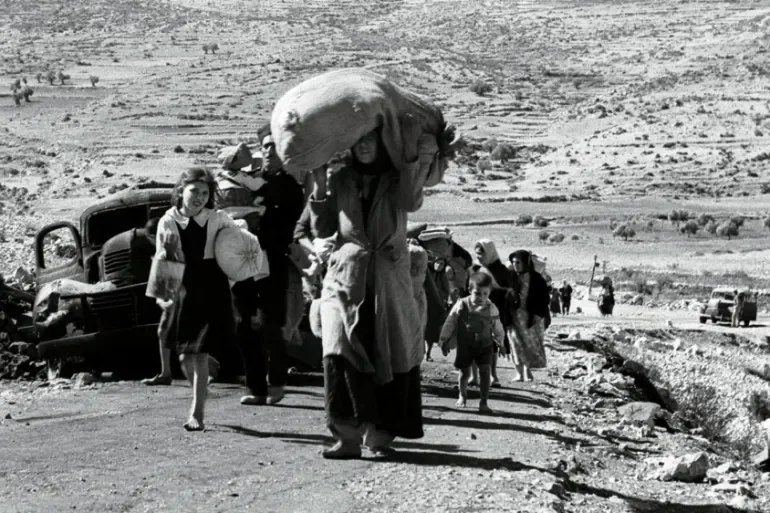
They left before dawn, walking east with what they could carry. The road out of their village was lined with others doing the same. Old men pushed carts, women balanced bundles on their heads, and children gripped sleeves so they would not get lost. Smoke rose behind them. Somewhere back there, soldiers were moving from house to house. The sound was distant but steady, the end of something familiar and the beginning of something nameless. They did not call it the Nakba then, not yet. They just knew they could not go home.

The Republic We Forgot
Imagine a country where the government decides what your pastor can say. Where your neighbor’s opinion becomes law. Where certain books disappear because they make someone uncomfortable. You might call that tyranny. And you’d be right.
Breaking the Chains of Grind Culture: Choosing Balance Over Burnout
In most modern workplaces, the rules of the grind aren’t written. They don’t need to be.
No one explicitly tells you that staying late will earn you more respect. That skipping your lunch will be noticed in a favorable light. That declining overtime, even when it’s optional, might cost you more than you think.
The Lure of Complexity, the Freedom of Simplicity
We often find ourselves tangled in the threads of complexity, drawn to the idea that a fuller life must be a more complicated one. It’s a deeply human instinct, this subtle pull toward filling our days with more commitments, more possessions, more friction. It’s as if complexity itself were a measure of meaning.

The Hierarchy of Truth
We live in a time when nearly every claim is presented as truth. Politicians, preachers, journalists, and neighbors all compete for authority. But not all truths are equal, and not all systems for establishing them deserve the same trust. If we are going to make sense of the world, and make decisions that preserve both life and progress, we need to think in terms of a hierarchy of truth.
When Critical Thought Turns on You
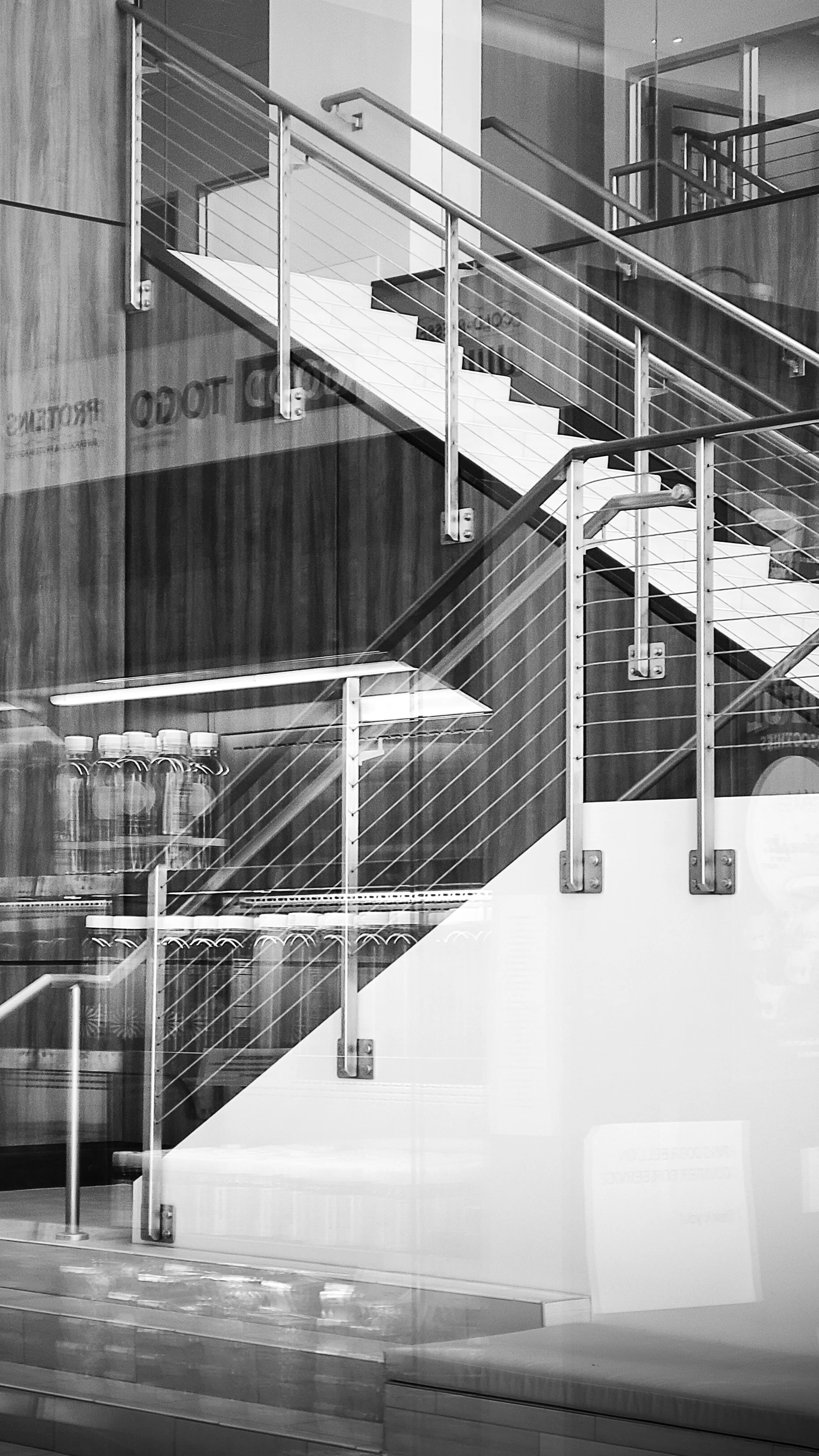
Critical thought is almost always imagined as an outward act, a way of evaluating someone else’s claims, spotting the bias in their reasoning, exposing the flaws in their evidence. What’s almost never discussed is its inward form: using the same discipline to interrogate the architecture of our own beliefs.
The Rest Goes Out with the Tide
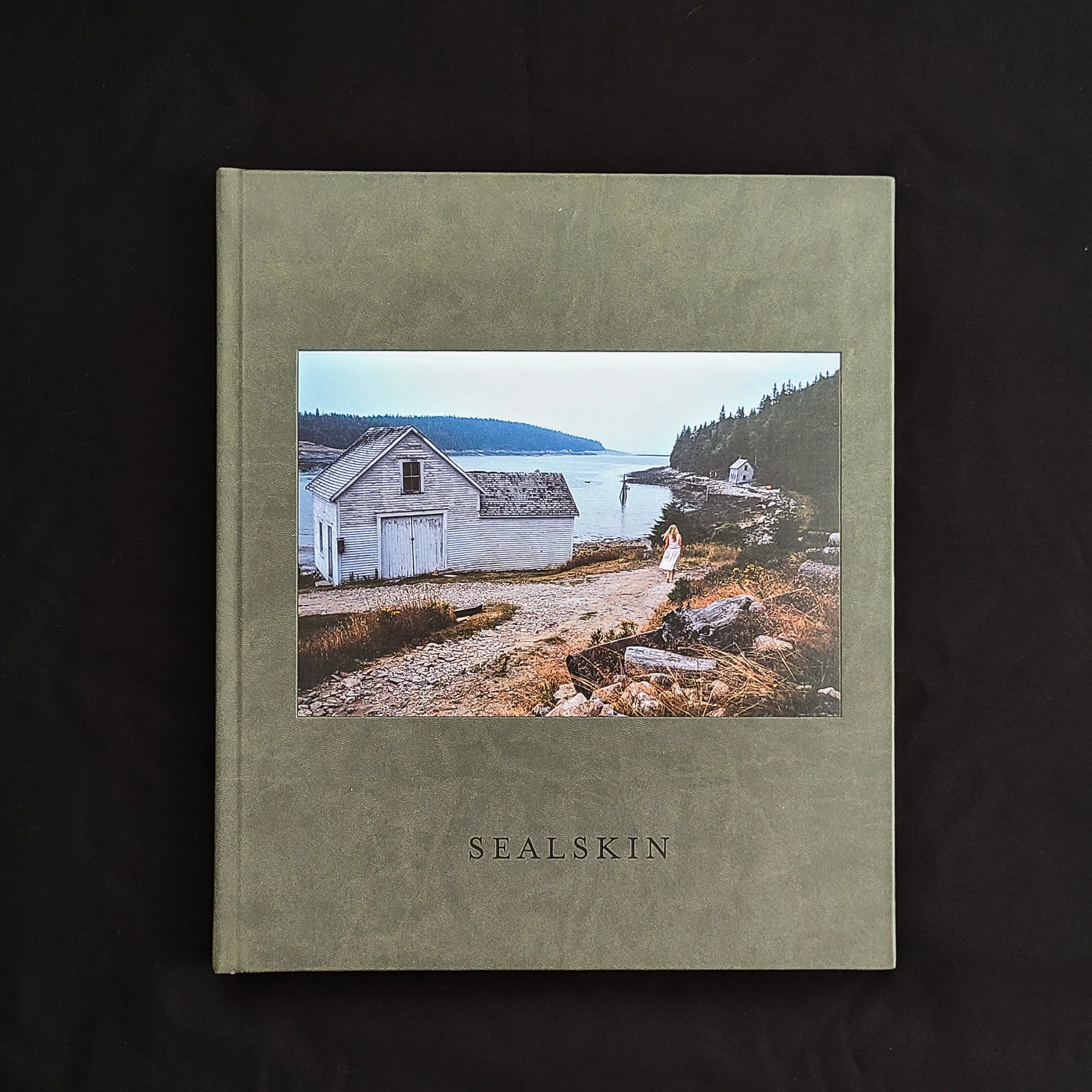
Loss can move in both directions. We lose people, and we also lose the version of ourselves that existed with them. In Sealskin, Jeff Dworsky’s photographs sit in that space. They aren’t distant observations of someone else’s life; they are the life. His children grow. The seasons change. Work is done and undone. And then something shifts, a presence is gone, though the photographs never name it.
Forget the Rules
And sometimes it’s okay to break the rules.
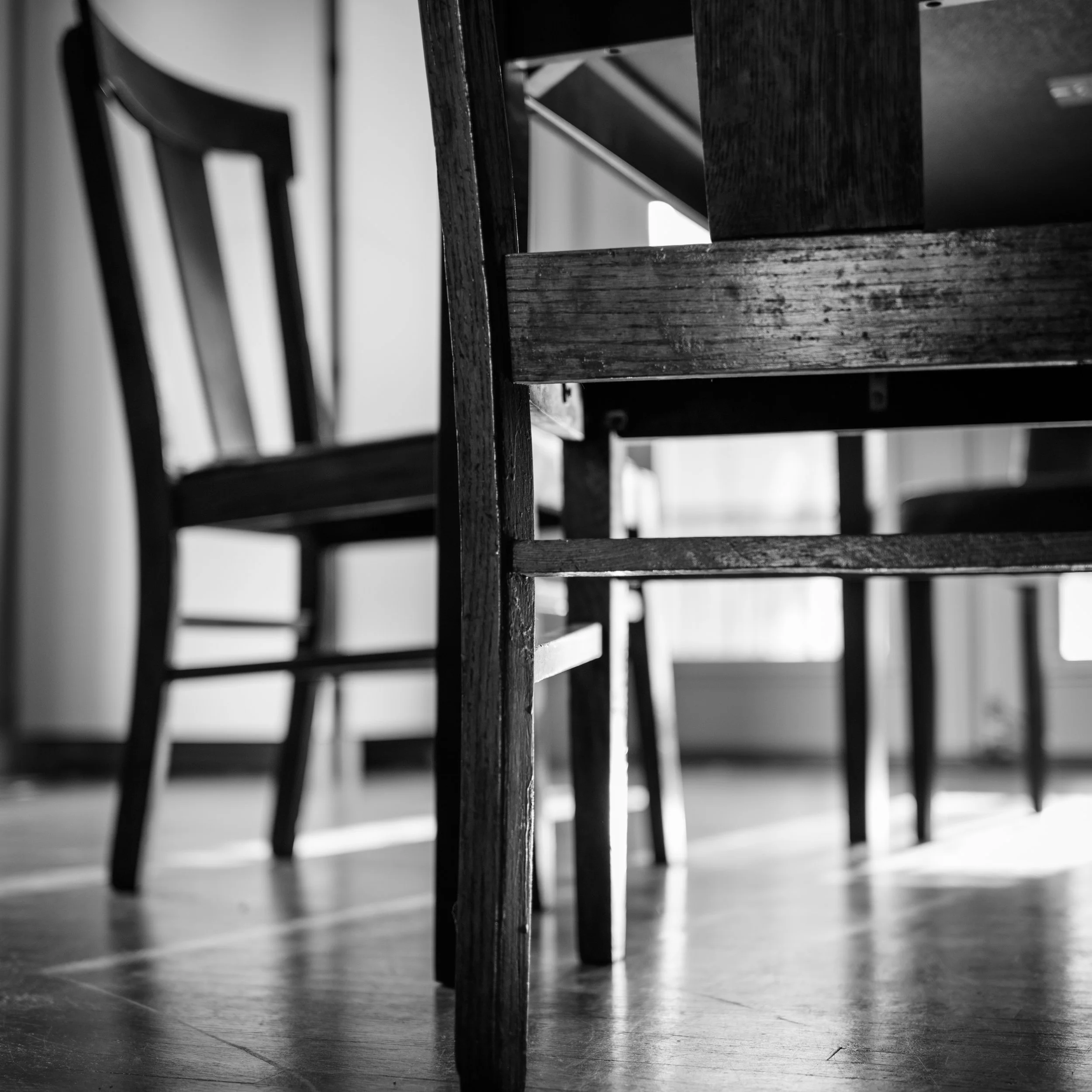
I know. That sentence shouldn’t exist. Not if you believe every red correction you ever got in school. But here we are. Sometimes a rule is a handrail. Useful on the stairs. Useless in an open field.
The Americans as Cultural Revolt
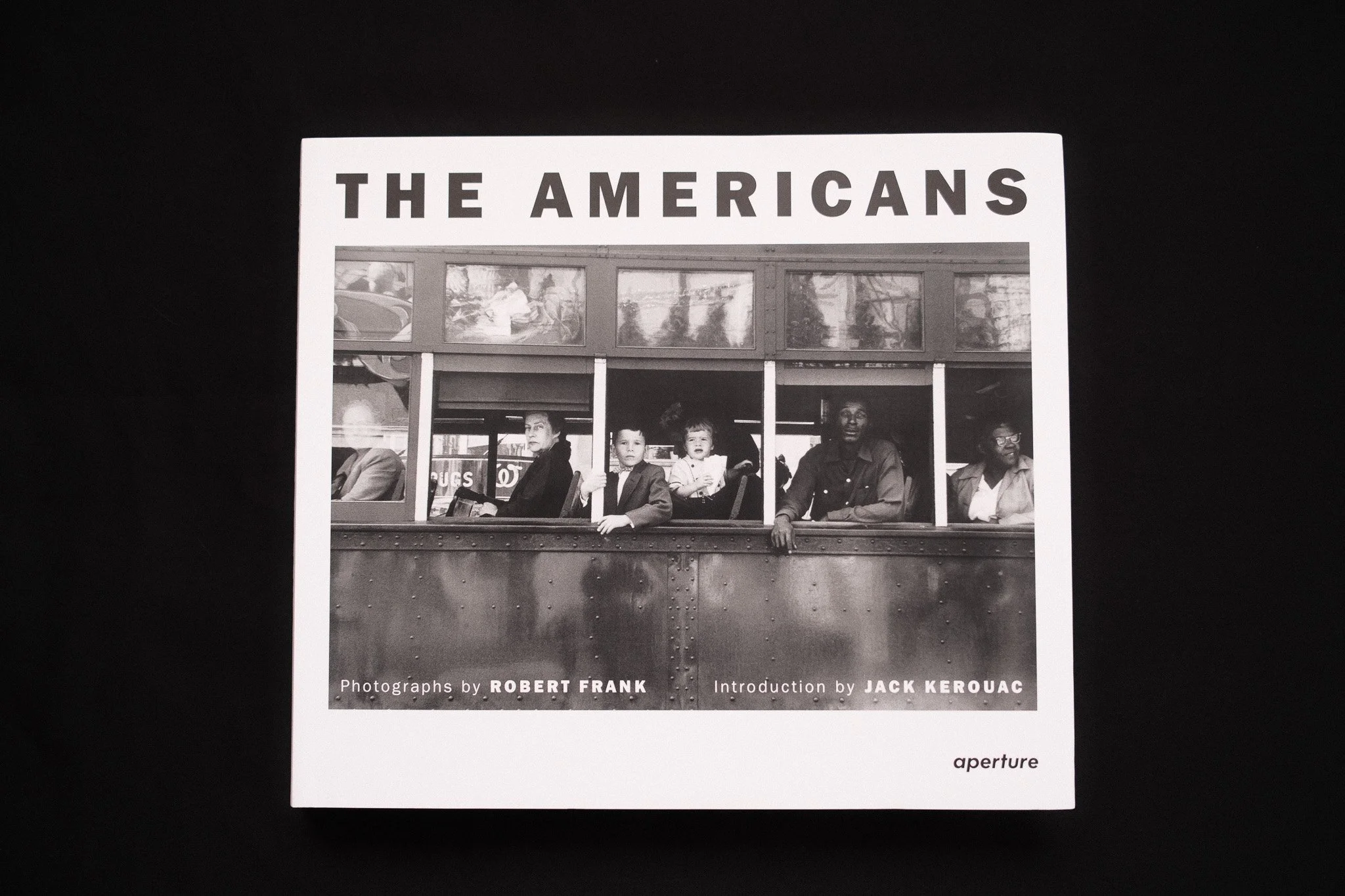
When I first opened The Americans, I didn’t know whether I was more eager for Robert Frank’s photographs or Jack Kerouac’s introduction. As a photographer, I wanted to dive straight into the images. As a writer, I wanted to hear Kerouac set the tone. It’s rare for one book to pull me both ways at once.

You Were Never Meant to Be the Customer
In a system built on consumption, identity is no longer grounded in what we create, but in what we buy. The individual is not viewed as a generative force, but as a vessel for demand; a predictable recipient of ads, trends, and targeted offers. Even labor, once a mark of contribution, has been recast as a cost to be minimized. In this economy, you are not a producer. You are the market.

What Are We Actually Protecting? Why Rights, Justice, and Representation Shouldn’t Be Reserved for Citizens
We often defend rules as if they are sacred, but forget to ask what they were made to protect. If rights only apply to citizens, are they really rights at all?