Reflections From the Road
These essays are also available in video form on my YouTube channel.
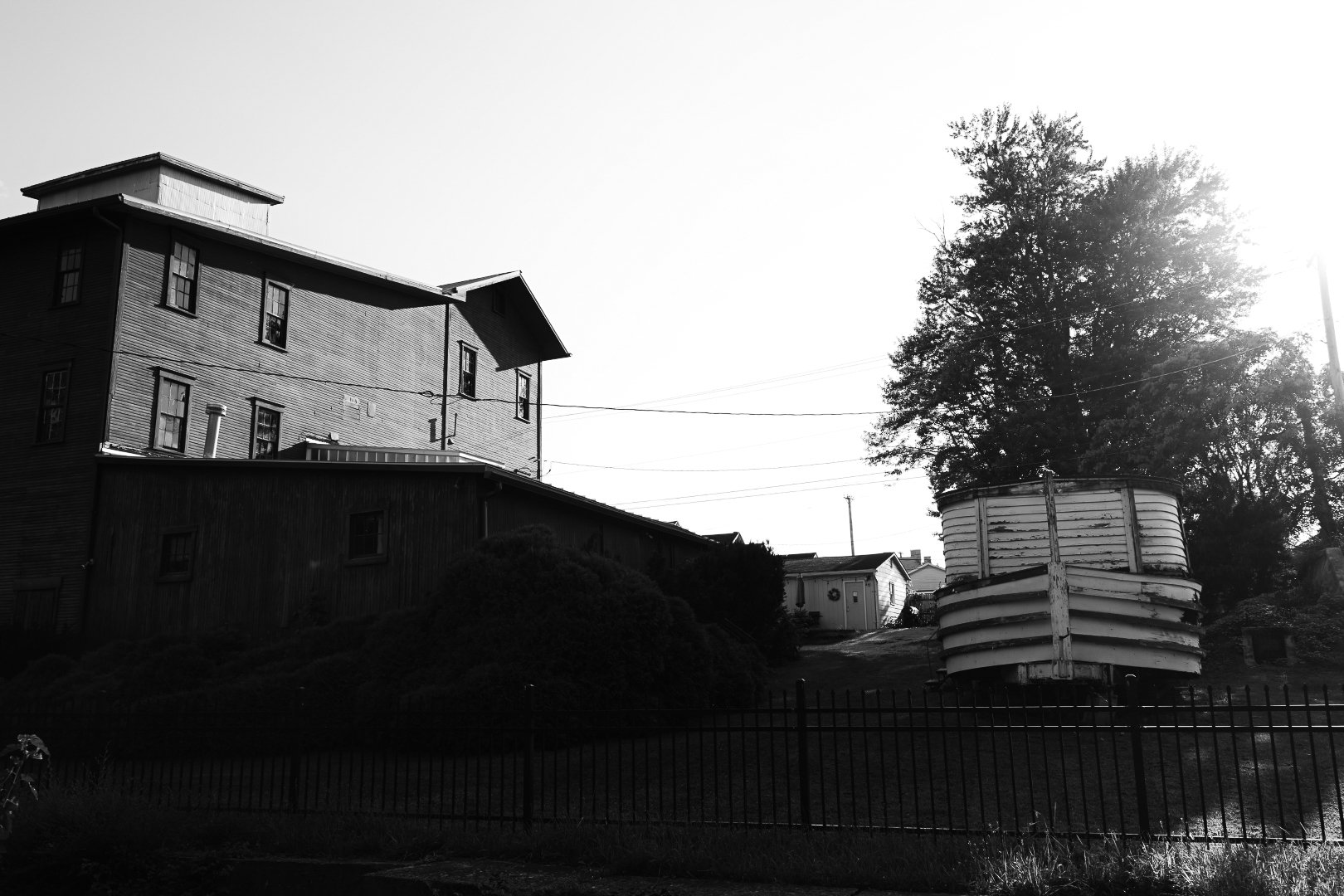
Composition Rules Were Never Instructions
Composition is taught as a set of instructions. Fill the frame. Find the subject. Watch the light. Learn the rule of thirds, and place the horizon somewhere other than the center. Master these first, students are told, and only later decide when it's acceptable to set them aside.
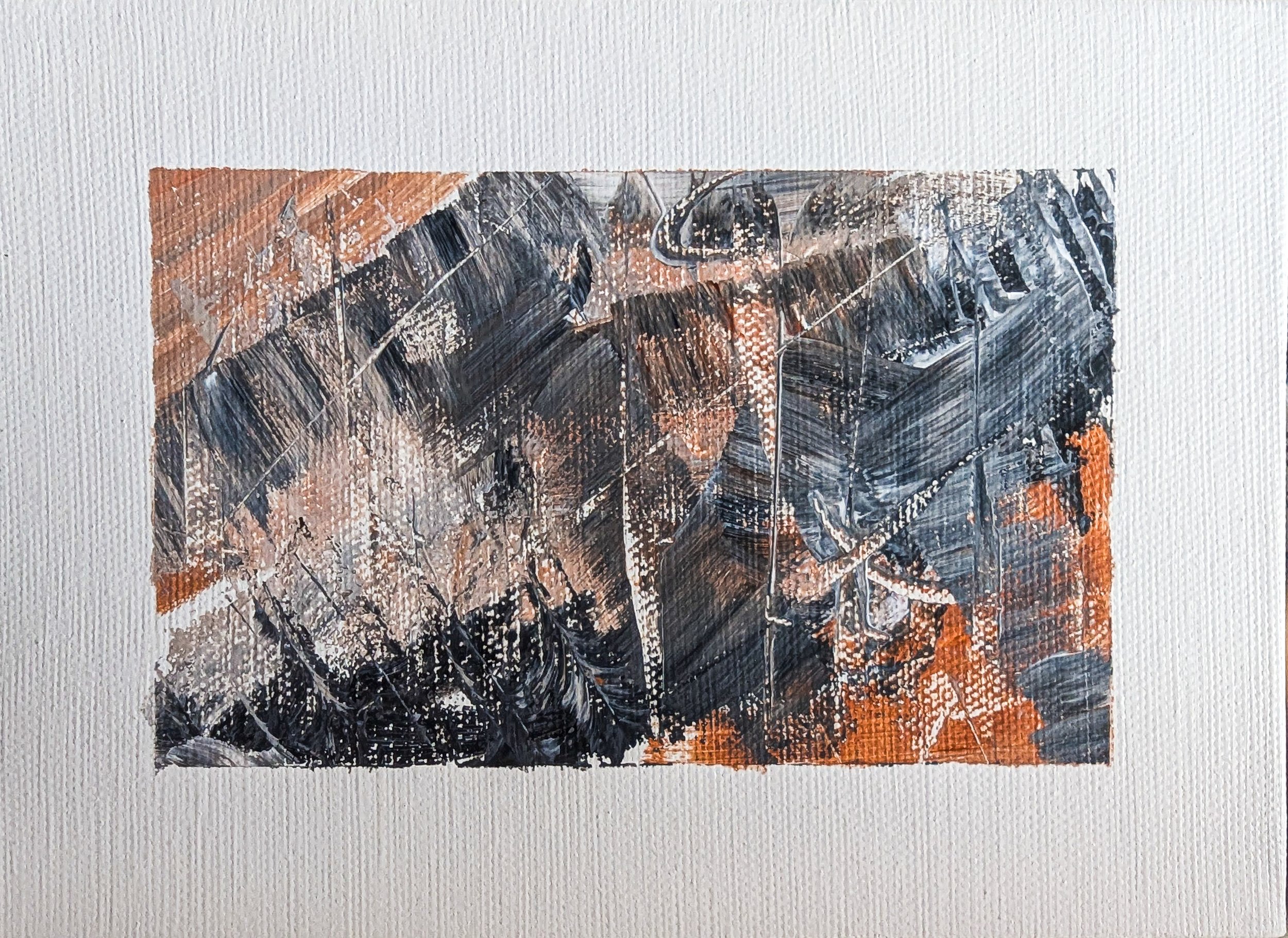
What a Photograph Was Always Supposed to Prove
A photograph has always seemed to promise something no other kind of image could. A painting interprets. A drawing invents. A written account depends on the judgment of whoever wrote it. But a photograph appeared to sit closer to the world than any of these, because it was made by a machine that recorded whatever stood in front of it. The camera opened, and light did the rest. Because of that, a photograph came to feel less like a statement about the world and more like a piece of it, carried back intact.
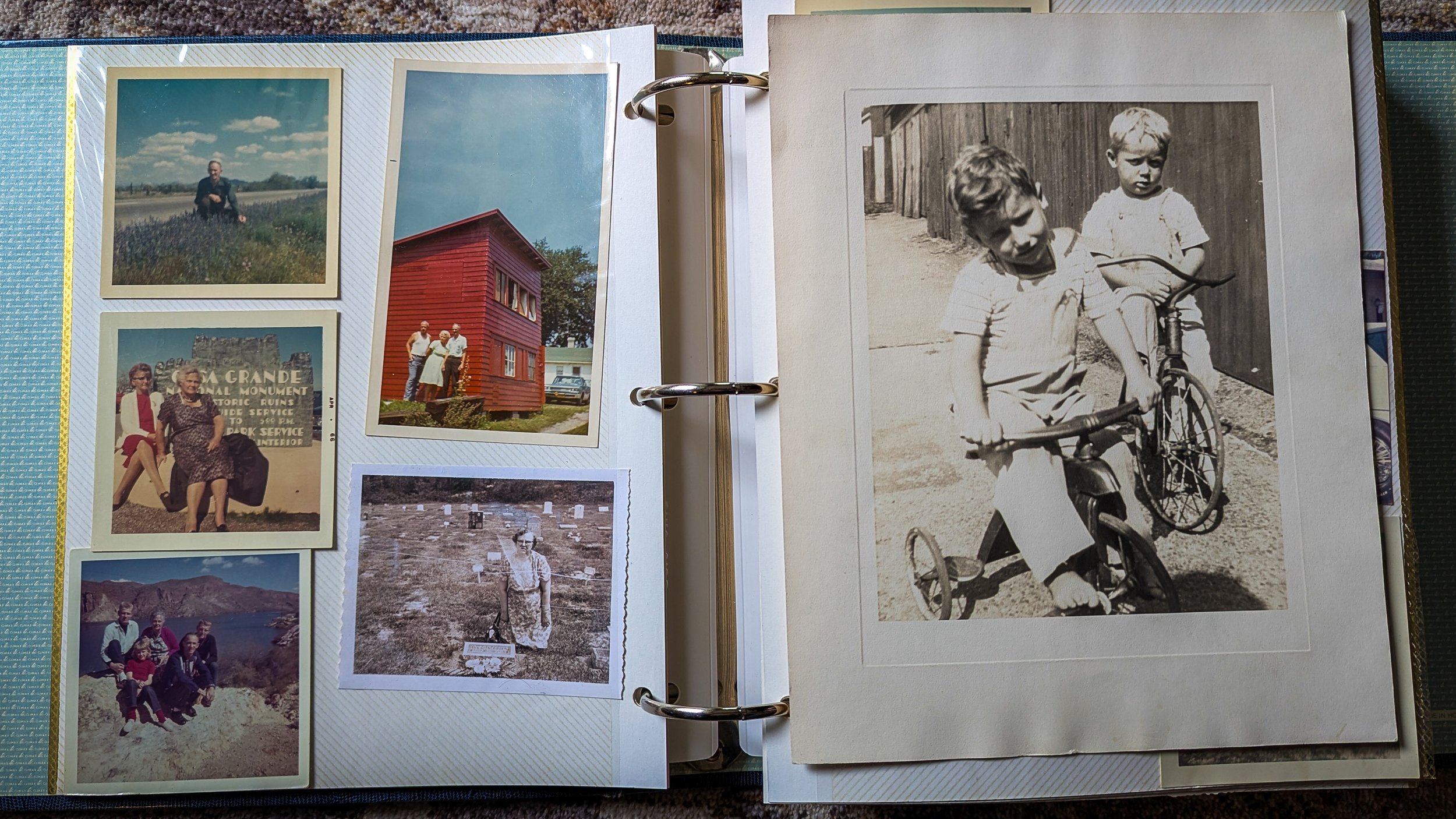
What Makes a Photo Feel Meaningful?
Old family photographs rarely survive because of technical quality. Focus drifts. Exposure varies from frame to frame. Colors shift over time into something less accurate than whatever was originally in front of the camera. None of those flaws seem to weaken their hold.
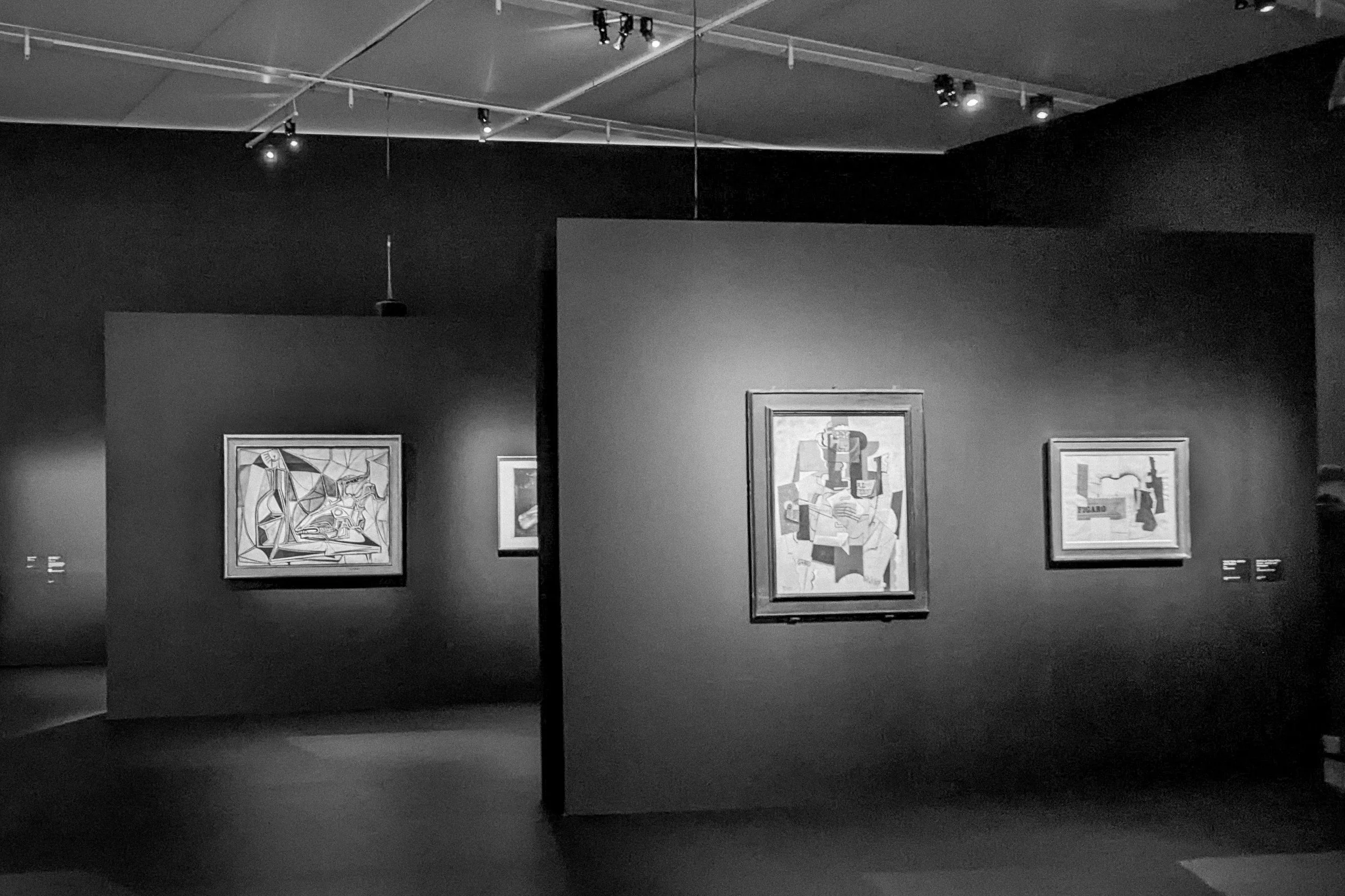
The Artist and What We Choose to See
Artists have long stood at the forefront of social change, not simply as commentators on their societies, but as forces that shape what those societies are willing to see. From Picasso’s response to the violence of Guernica to the unsettling clarity of Baldwin’s prose or the quiet insistence of Dorothea Lange’s photographs, creative work has repeatedly altered the boundaries of public awareness. Art does more than reflect the world as it is. It shifts attention, reframes experience, and, in doing so, changes what a culture can no longer ignore.

Photography as a Way of Noticing
I didn’t start taking photos to be a photographer. I just wanted to see more clearly…